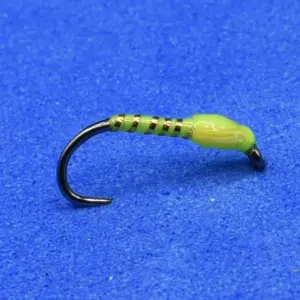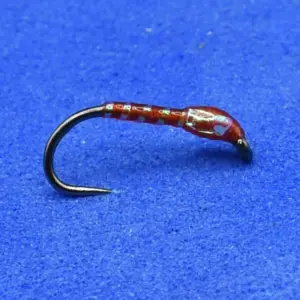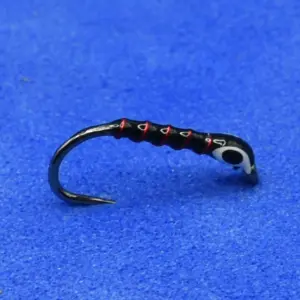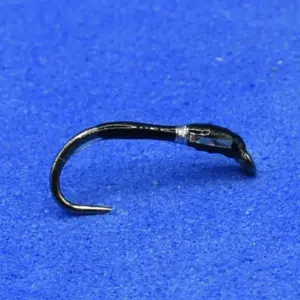
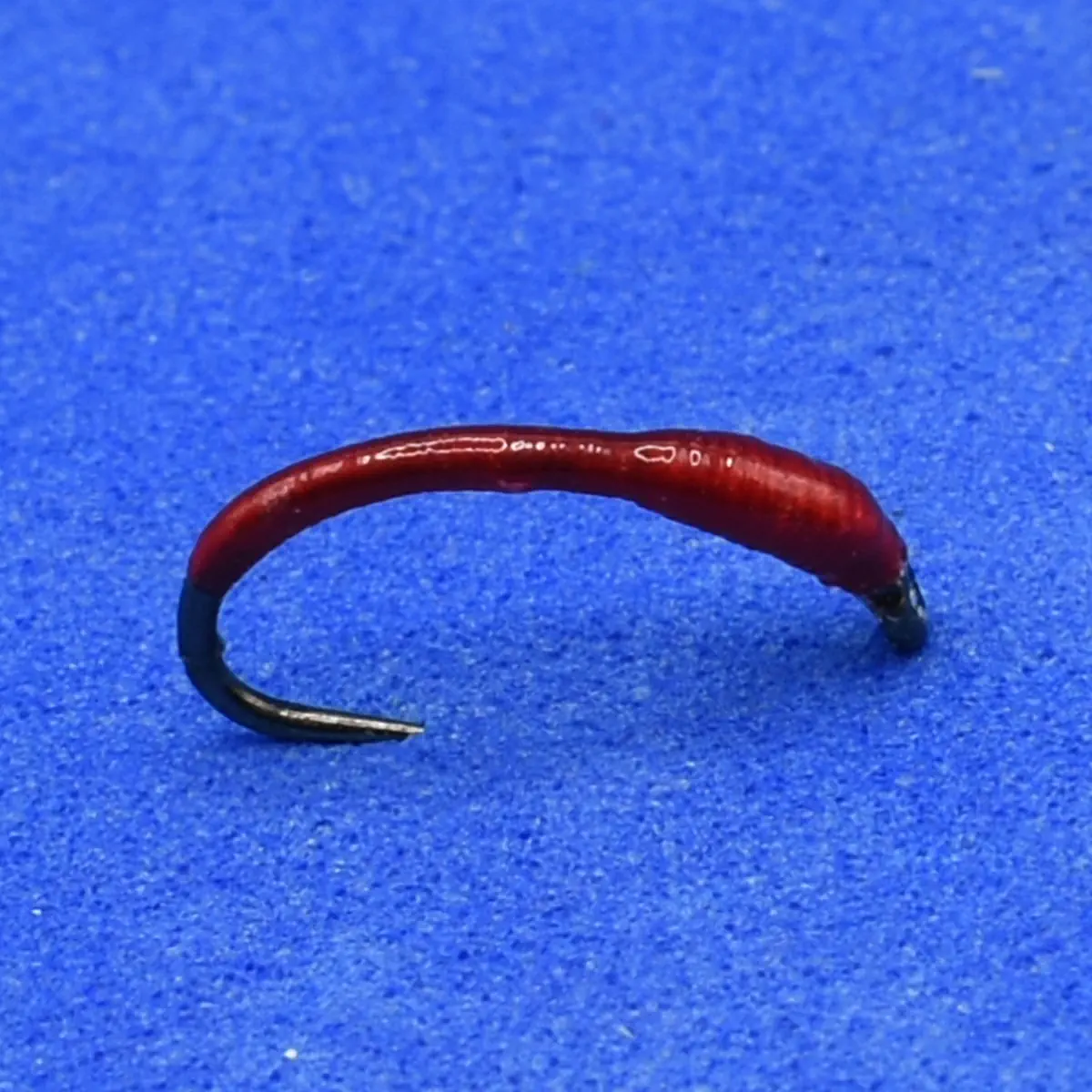
Bloodworm Buzzer
£1.25
A proven bloodworm-style buzzer for stillwater trout, tied in size 14 on a barbless hook. A subtle, realistic pattern for fishing singly or in a team on calm days when trout are feeding on small naturals.
In stock
SPEND OVER £20 AND PAY IN 3 WITH PAYPAL
- Over 200 5 Star Reviews from Real Customers
- Maxcatch UK Stock & All Flies Sent via RM Tracked 24
- Post Purchase WhatsApp Support Available
The Bloodworm Buzzer is a simple, effective stillwater pattern designed to imitate one of the most natural food sources in the lake. With its slim profile and bloodworm-inspired colour, it is a strong choice when trout are keying in on buzzer activity and small aquatic larvae. Tied on a size 14 barbless hook, it offers a balanced silhouette that sits naturally in the surface film or just below it.
This is the sort of fly that shines on pressured waters, clear venues and any day when trout want something subtle rather than flashy. It is an excellent pattern for matching hatch conditions, especially when fish are showing but refusing more obvious offerings. As part of the Premium Fly Range, it has been selected for consistency, durability and practical performance on UK stillwaters.
How to Fish the Bloodworm Buzzer
Midges ascend through the water column at an almost imperceptible pace. Fishing buzzer patterns effectively demands patience, ultra-slow retrieves, and absolute line control.
1. Straight-Line Buzzing (The Dead Drift)
Setup: Floating line paired with a long, supple fluorocarbon leader (14 to 20 feet).
The Rig: Fish a team of two or three buzzers spaced 4 to 5 feet apart. Vary sink rates by placing heavier epoxy patterns on the point and lighter, slimmer patterns on the droppers.
The Action: Cast across or slightly down the breeze. Mend the line to establish a straight path, then let the flies drift naturally with the surface drift and subsurface currents.
Retrieve: An ultra-slow figure-of-eight crawl, retrieving line solely to stay in touch with the flies without pulling them unnaturally through the water.
2. The Indicator Method (Bung Setup)
Setup: Floating line with a dedicated straight leader section (8 to 14 feet).
The Rig: Attach a buoyant sight indicator at the top, suspending one or two buzzer patterns at fixed feeding depths below it.
The Action: Cast out and let the setup sit completely static on the water. Watch the indicator closely for any dip, tilt, or sudden stop.
Retrieve: Static drift with occasional minute twitches to make the buzzers lift slightly before settling again.
3. The Washing Line Method
Setup: Floating, midge-tip, or intermediate line paired with a 12 to 16 foot fluorocarbon leader.
The Rig: Tie a buoyant point fly (such as a FAB, Booby, or Smoker) on the point to hold the cast up, placing one or two buzzers on droppers spaced 4 to 5 feet apart.
The Action: Cast across the wind and allow the buoyant point fly to anchor the team in the surface tension while the droppers hang sub-surface at calibrated depths.
Retrieve: Slow figure-of-eight crawl with extended static pauses, allowing the buzzers to fish horizontally through the taking zone.
4. Practical Tips for Success
Watch the Tip: Many takes will register as a faint stop, a slight straightening of the leader, or the floating fly line pulling away before you feel anything in the rod.
Lift, Do Not Strike: Takes on slow-moving buzzers are deliberate. A sharp strike can snap fine tippets; instead, sweep the rod smoothly back and tighten into the fish.
Target the Breeze: Midges drift into wind lanes and foam lines. Focus casts along these slick edges where trout patrol subsurface.