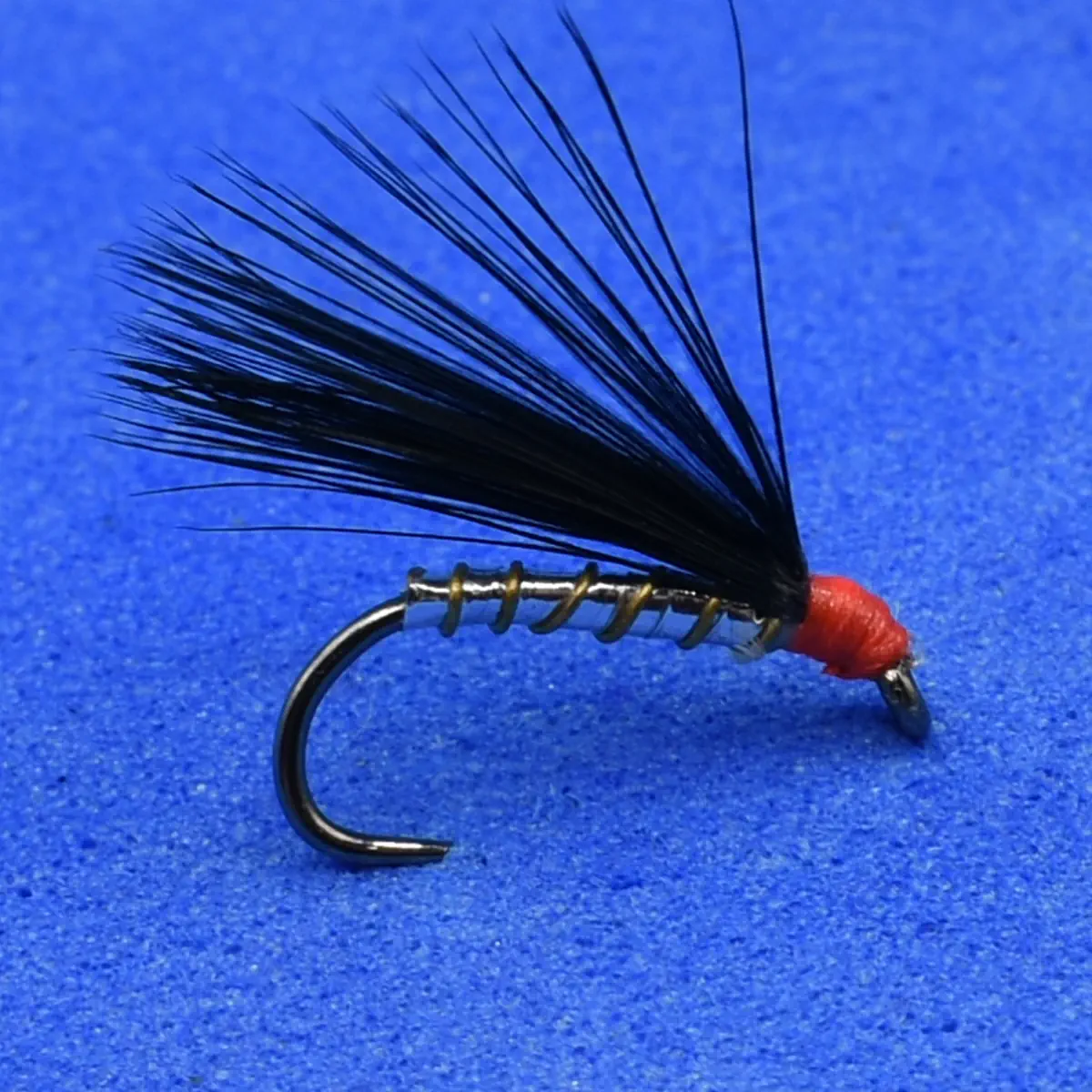
Silver & Gold Cormorant
£1.30
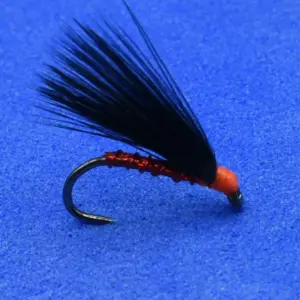
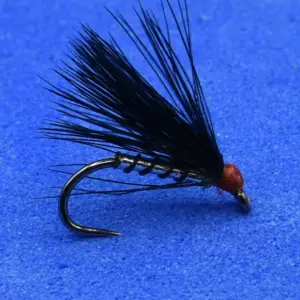
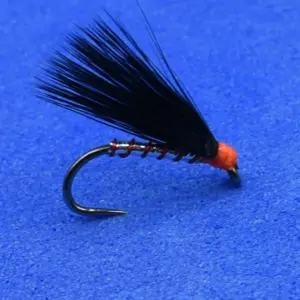
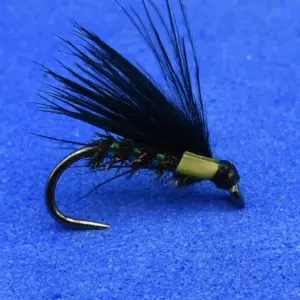
A modern Cormorant-style lure in silver and gold, tied in sizes 12 and 14 for effective stillwater trout fishing. A bright, proven attractor pattern for covering water and drawing takes when fish want a little more flash.
SPEND OVER £20 AND PAY IN 3 WITH PAYPAL
- Over 200 5 Star Reviews from Real Customers
- Maxcatch UK Stock & All Flies Sent via RM Tracked 24
- Post Purchase WhatsApp Support Available
The Cormorant is a staple stillwater mini-lure and nymph crossover pattern across the UK, renowned for its versatility and lethal effectiveness in competition and pleasure angling alike. Originally designed as a small lure, its sparse, streamlined profile offers minimal water resistance, allowing it to cut through the surface layers quickly and deliver a lifelike, pulsing movement that provokes instinctive takes from resident and freshly stocked trout.
Constructed around a slim, compact body, the defining feature of the fly is a sparse wing of premium marabou tied along the hook shank. This soft marabou wing compresses on the retrieve and flares open the moment the retrieve pauses, perfectly mimicking the dart-and-stop motion of an injured fry or swimming nymph. Tied on forged barbless hooks, it provides superior holding power on aggressive takes and fast runs while ensuring clean, damage-free catch-and-release fishing.
Key Features:
Built on forged barbless hooks engineered to resist opening out under savage takes while ensuring safe, fish-friendly releases.
Sparse Marabou Wing: Pulsating marabou fibres breathe and flare dramatically during pauses, creating lifelike aquatic movement without unwanted bulk.
Streamlined Hydrodynamic Profile: Slim, low-drag body geometry cuts through the surface film efficiently, allowing precise depth control across all retrieve speeds.
Multi-Species & Prey Imitation: Effectively represents pin fry, corixa, damselfly nymphs, or emerging chironomid midges depending on size and colour.
How to Fish the Silver & Gold Cormorant
Cormorants can be fished across all depths, excelling as top droppers on pulling teams, middle droppers on washing-line setups, or single flies stripped through feeding zones.
1. Pulling / Stripping (Reaction Takes)
Setup: Intermediate lines down to fast-sinking lines (Di3 through Di7), paired with an 8 to 12 foot leader.
The Rig: Fished as a single point fly, or across a two- or three-fly team spaced 4 to 5 feet apart.
The Action: Cast across or down-breeze, count the line down to the targeted holding depth, and initiate the retrieve to pulse the marabou wing.
Retrieve: Short, sharp, rhythmic pulls, long smooth draws, or a rapid roly-poly retrieve. Varying retrieve speed often triggers following fish into an immediate strike.
2. The Washing Line Method (All Line Types)
Setup: Highly effective across all line types (floating, midge-tip, intermediate, and full sinking lines Di3 through Di7) paired with a 12 to 16 foot leader.
The Rig: Position the Cormorant on a dropper spaced 4 to 5 feet apart, paired with a buoyant point fly (such as a FAB or Booby) to anchor the cast.
The Action: The buoyant point fly suspends the cast, holding the Cormorant at a fixed horizontal swimming depth. As the team drifts or crawls, the Cormorant pulses in the upper or mid-water layers where trout cruise.
Retrieve: Slow figure-of-eight crawl punctuated by extended pauses, interspersed with occasional short, sharp pulls to make the marabou flare.
3. Straight-Line Figure-of-Eight Crawl
Setup: Floating or midge-tip line paired with a 12 to 16 foot leader.
The Rig: Fished as part of a three-fly nymph team on the droppers.
The Action: Cast across the wind, allow the team to sink into the top two to four feet of the water column, and maintain direct contact.
Retrieve: Steady, deliberate figure-of-eight crawl punctuated by sudden 2 to 3 second pauses to allow the marabou wing to flare.
4. Practical Tips for Success
Never Skip the Hang: Trout frequently follow a Cormorant across open water; always pause the fly 2 to 4 feet beneath the surface for 5 to 10 seconds before lifting to recast.
Keep the Wing Sparse: Over-dressing the marabou wing ruins the action; a sparse wing creates the best pulsing movement and lets the fly sink cleanly.
Watch for Slack-Line Takes: Takes often occur on the pause as the marabou flares; keep the rod tip low and straight down the line to detect sudden line tightening.
| Size | 12, 14 |
|---|
Related products
-

Double Red Cormorant
£1.30Select options This product has multiple variants. The options may be chosen on the product page -
Silver & Black Cormorant
£1.30Select options This product has multiple variants. The options may be chosen on the product page -
Silver & Red Cormorant
£1.30Select options This product has multiple variants. The options may be chosen on the product page -
Mirage Ribbed Cormorant
£1.30Select options This product has multiple variants. The options may be chosen on the product page