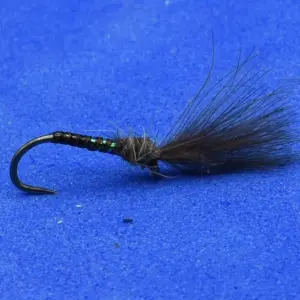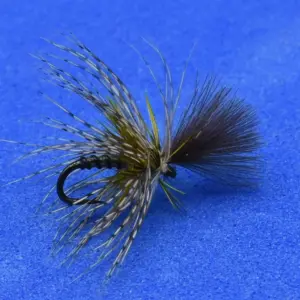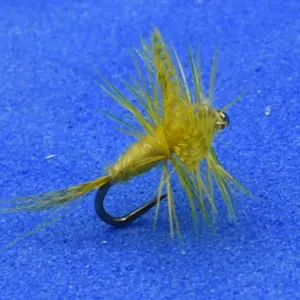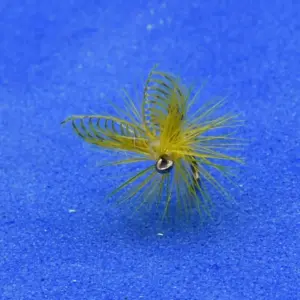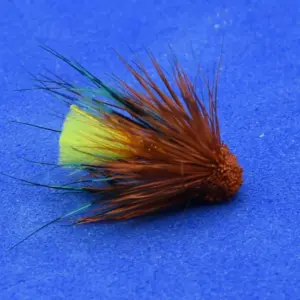
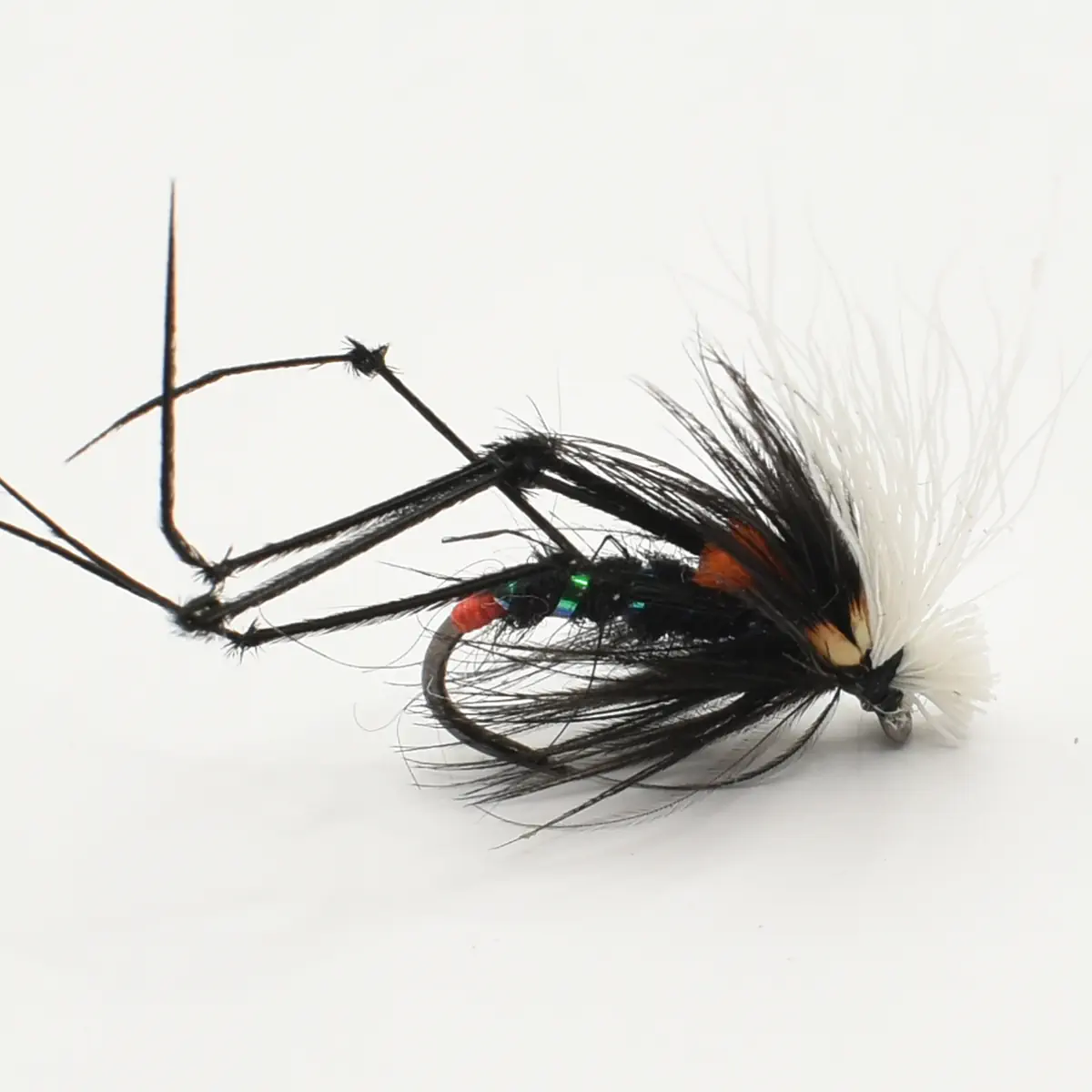
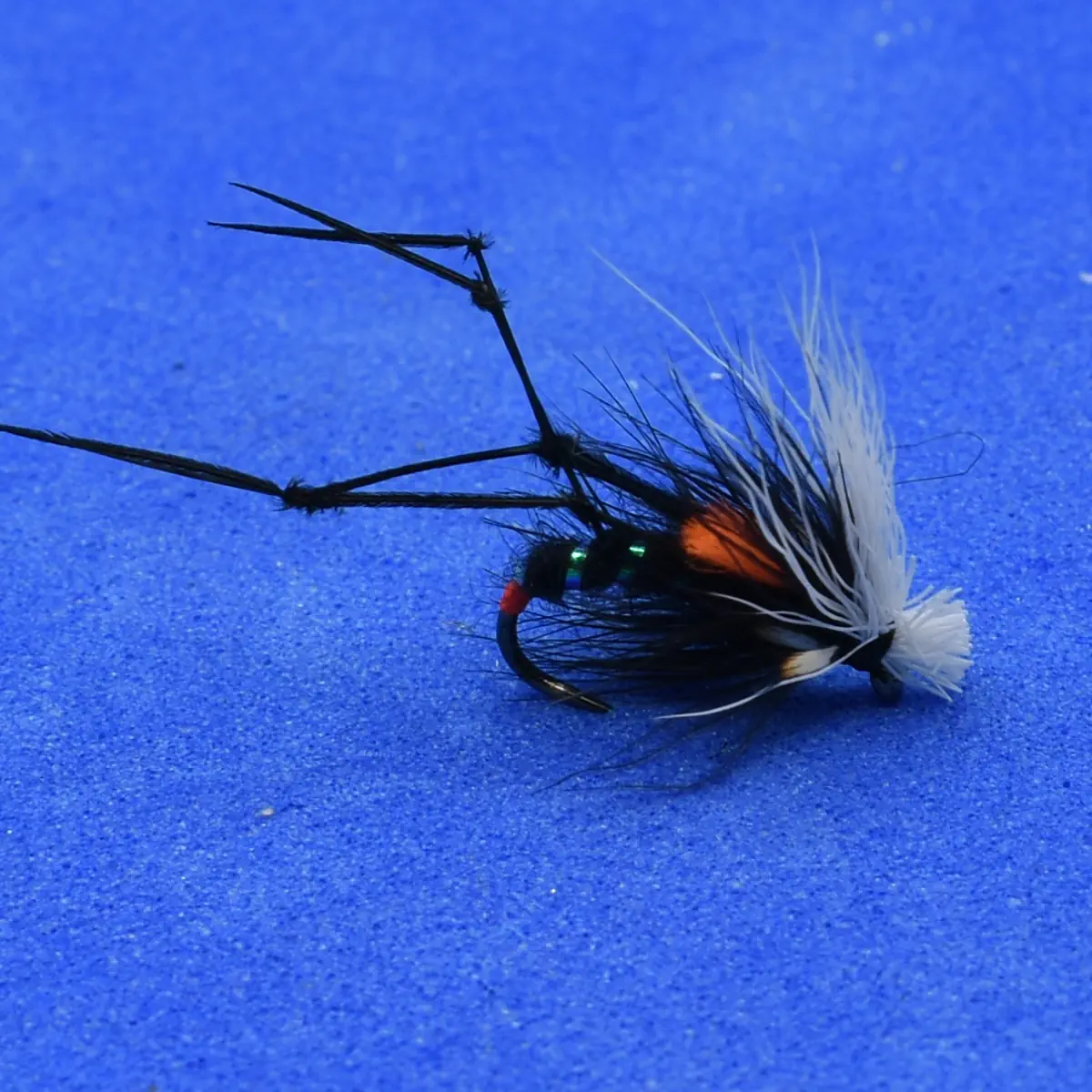
Arthurs Jungle Cock Midge
£1.40
A refined dry midge pattern for stillwater trout, the Arthurs Jungle Cock Midge offers a modern twist on a proven style. Size 14 barbless, it’s designed for careful presentation when trout are keying in on small naturals.
In stock
SPEND OVER £20 AND PAY IN 3 WITH PAYPAL
- Over 200 5 Star Reviews from Real Customers
- Maxcatch UK Stock & All Flies Sent via RM Tracked 24
- Post Purchase WhatsApp Support Available
The Arthurs Jungle Cock Midge brings a smart, contemporary edge to a proven small-fly approach for stillwater trout. It sits naturally in a box built for picky fish, where subtlety matters and a neat, well-presented dry can make the difference between a refusal and a confident take. Size 14 barbless gives it a practical all-round footprint for anglers who want one midge-style dry that can be worked with confidence when trout are focused on finer, more delicate food items.
This pattern is at its best when you want to present something small, tidy and believable on the surface. The Jungle Cock element gives it a distinctive profile without making it overly fussy, so it remains a useful searching choice as well as a deliberate answer to rising fish. It is the sort of fly that earns its place in a stillwater dry-fly selection because it balances visibility, simplicity and a clean finish in a way trout can respond to readily.
How to Fish the Arthurs Jungle Cock Midge
Arthurs Jungle Cock Midge offers exceptional flexibility across floating, midge-tip, and intermediate lines, fishing effectively on top of the meniscus or submerged on a dropper team.
1. The Washing Line Setup (Fished as a Wet Fly)
Setup: Floating, midge-tip, or intermediate line paired with a 12 to 16 foot leader.
The Rig: Fished on a dropper between a buoyant point fly (such as a FAB) and other sparse nymphs or buzzers.
The Action: The washing line holds the Hopper horizontally just under the surface film or across the upper layers, allowing its hackles and knotted legs to kick and pulse with every movement.
Retrieve: Slow, rhythmic figure-of-eight crawl interspersed with short 3-to-4-second pauses, letting the fly hold in the feeding zone.
2. Static Dead Drift (Surface Wind Lanes & Slicks)
Setup: Floating line paired with a 12 to 16 foot fine, supple leader.
The Rig: Fished as a single dry fly, or on the middle/point of a dry fly team.
The Action: Degrease the leader right down to the fly to allow it to cut through the film. Cast into foam slicks, calm seams, or wind lanes where food gathers.
Retrieve: Completely static dead drift. Let surface currents and ripple animate the knotted legs, taking up line only to manage slack.
3. The Twitch & Drop Retrieve
Setup: Floating line paired with a 10 to 14 foot leader.
The Rig: Fished as a single surface dry fly or top dropper.
The Action: Cast across the ripple towards cruising or rising fish. Let the pattern settle for 5 to 10 seconds.
Retrieve: Impart a sharp 2-to-3-inch pull to pop the fly through the film and make the legs kick, followed by an immediate dead pause. Strikes frequently occur the moment the fly settles back into stillness.
4. Practical Tips for Success
Degrease the Leader: When targeting surface-sipping fish, ensure the tippet is thoroughly degreased so it cuts beneath the meniscus rather than casting surface shadows.
Wait for the Turn: Takes to Hoppers are often aggressive boils or firm draws. Resist striking too early—wait for the line to pull tight before lifting into the fish.
Rotate Core Colours: Keep classic colours on hand—claret, black, amber, and olive—to match heather flies, hawthorns, and hatching midges throughout the season.
Related products
-

Quilled Smut
£1.30Select options This product has multiple variants. The options may be chosen on the product page -
Olive Grunter
£1.30Select options This product has multiple variants. The options may be chosen on the product page -
-