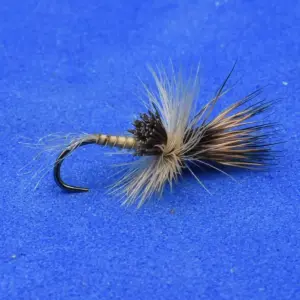
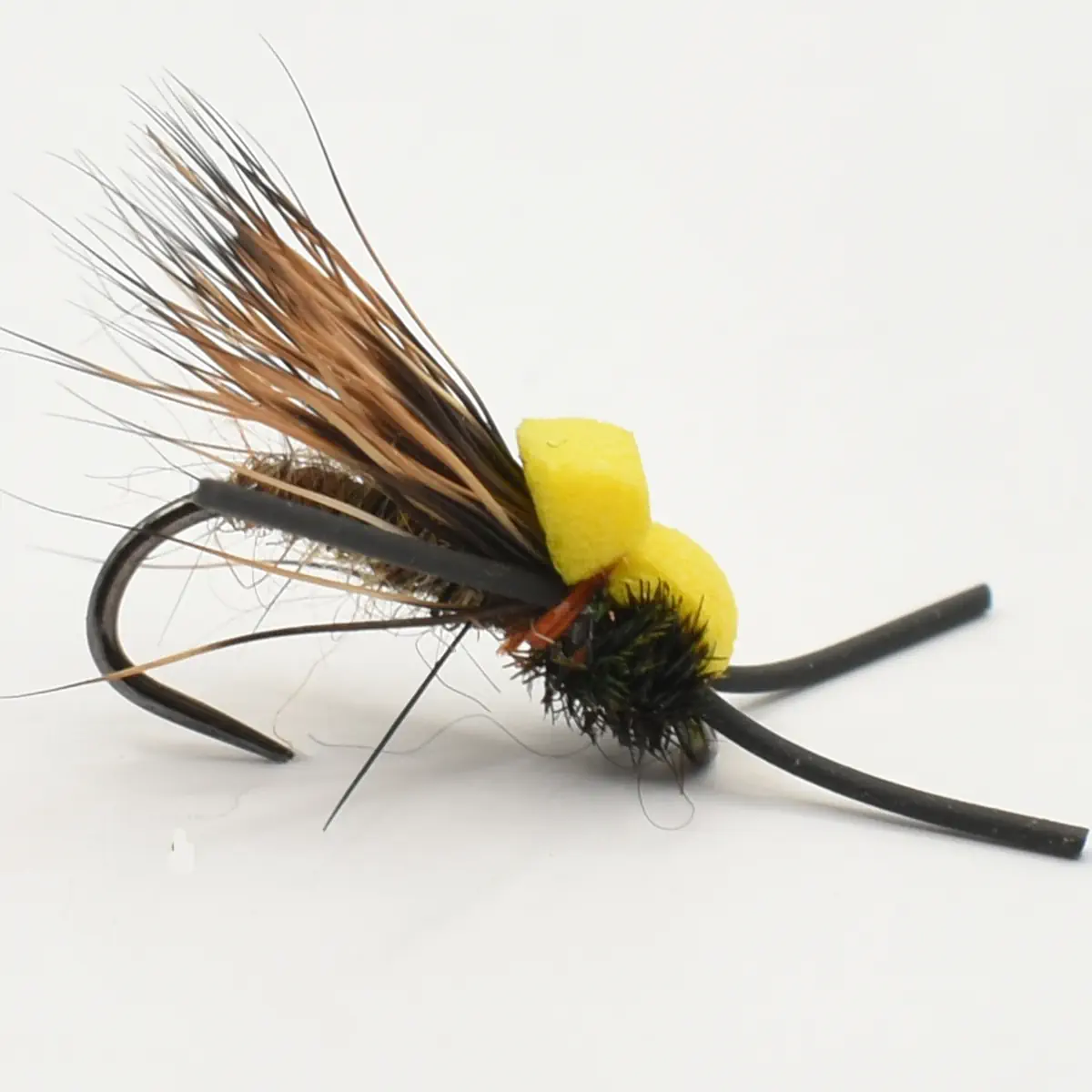
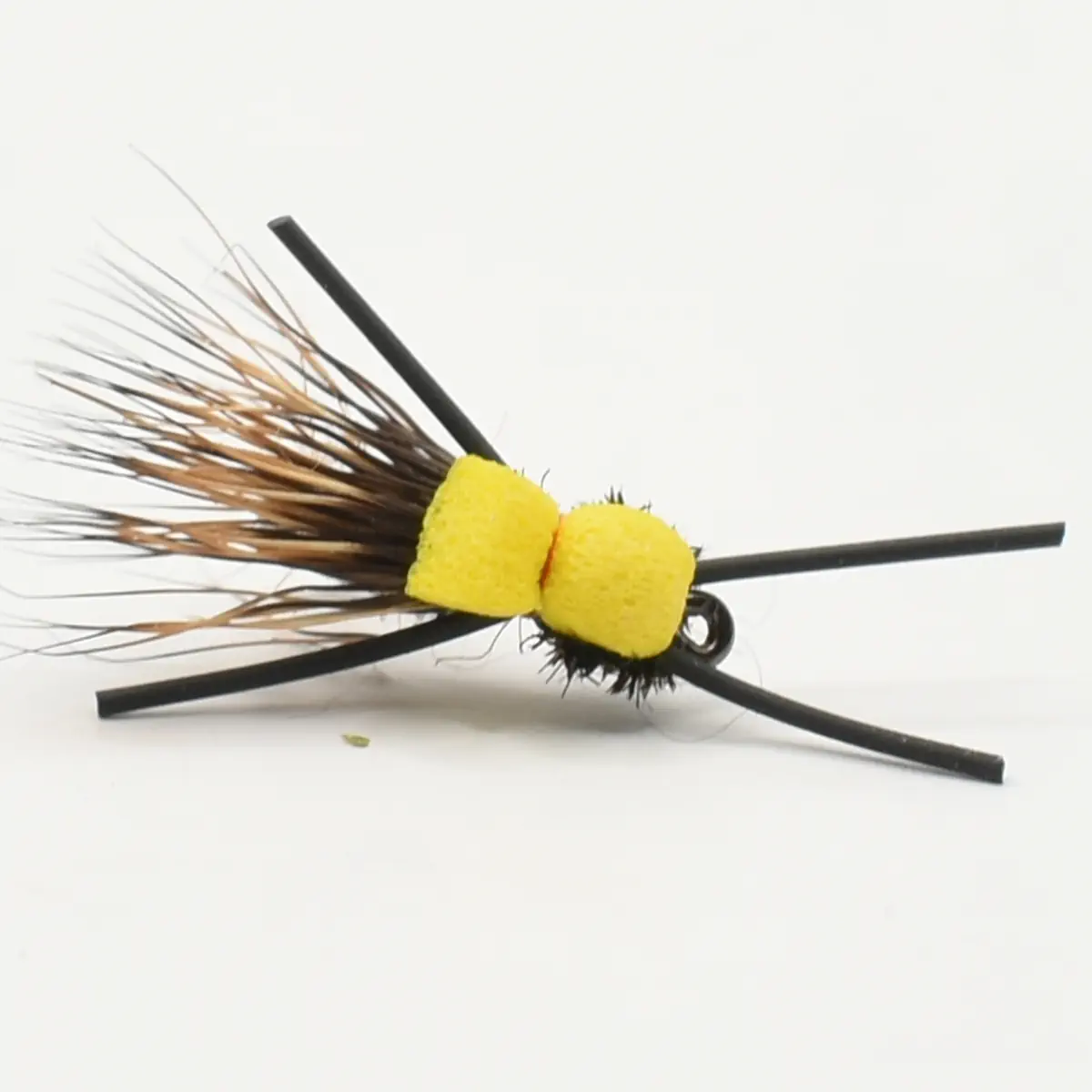
Banana Balloon Caddis
£1.30
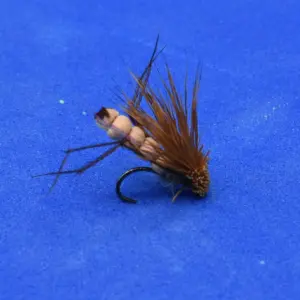
A clean, buoyant caddis-style dry for when trout are feeding high in the water. The Banana Balloon Caddis is a simple, confidence-building pattern for stillwaters and can be especially useful when fish are taking suspended naturals.
SPEND OVER £20 AND PAY IN 3 WITH PAYPAL
- Over 200 5 Star Reviews from Real Customers
- Maxcatch UK Stock & All Flies Sent via RM Tracked 24
- Post Purchase WhatsApp Support Available
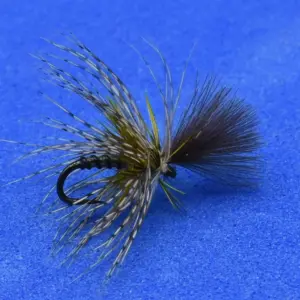
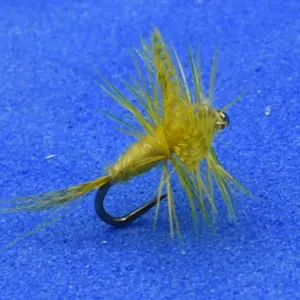
The Banana Balloon Caddis is the kind of dry fly you reach for when trout are showing interest in food on or near the surface but you want a pattern with enough profile to register quickly. It has the shape and presence to stand out without looking overworked, making it a sensible choice when fish are picking off caddis adults or reacting to a small, buoyant dry on calmer water.
On stillwaters, it is a versatile prospecting pattern as well as a useful answer to surface feeders. The caddis impression gives it a natural silhouette that trout can spot from a distance, yet it remains understated enough for clearer conditions and more selective fish. Sizes 14 and 16 give you options to match the mood of the water and the confidence of the fish, whether you are covering a slick close in or searching a wider feeding lane.
It is the sort of fly that earns its place by being easy to trust. When trout are up, it offers a straightforward, no-nonsense dry-fly option that can be fished with confidence over cruising fish, feeding lanes, or any patch of water where naturals are bringing trout to the top.
How to Fish the Banana Balloon Caddis
Fish the Banana Balloon Caddis as a dry and keep your presentation as clean as possible. A light cast, a soft landing and a drag-free drift are the priorities, especially when trout are showing for naturals or feeding in calmer water. If fish are rising regularly, target the rise line and let the fly sit naturally in the surface film rather than skating it across the water.
On stillwaters, position your cast so the fly spends as much time as possible in the feeding zone. Work the likely lanes first, then adjust size if the trout are being particular. A 16 can be the better choice when fish are tight-lipped, while a 14 gives a touch more presence when you want the pattern to be seen quickly. If a fish follows but does not commit, recasting with a little more care and a cleaner presentation is often the difference.
Keep your approach simple: watch for confident takes, respond promptly, and avoid overworking the fly. This is a pattern that fishes best when it is allowed to look alive through stillness and control, rather than force.
| Size | 14, 16 |
|---|
Related products
-

-
Olive Grunter
£1.30Select options This product has multiple variants. The options may be chosen on the product page -
-