Hawf Hog Hopper
£1.30
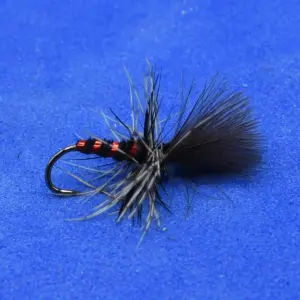
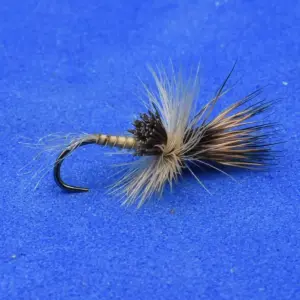
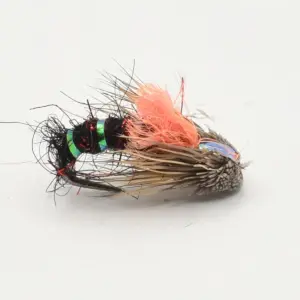
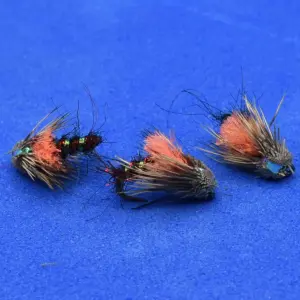
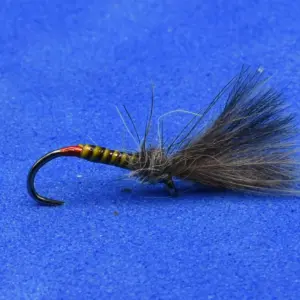
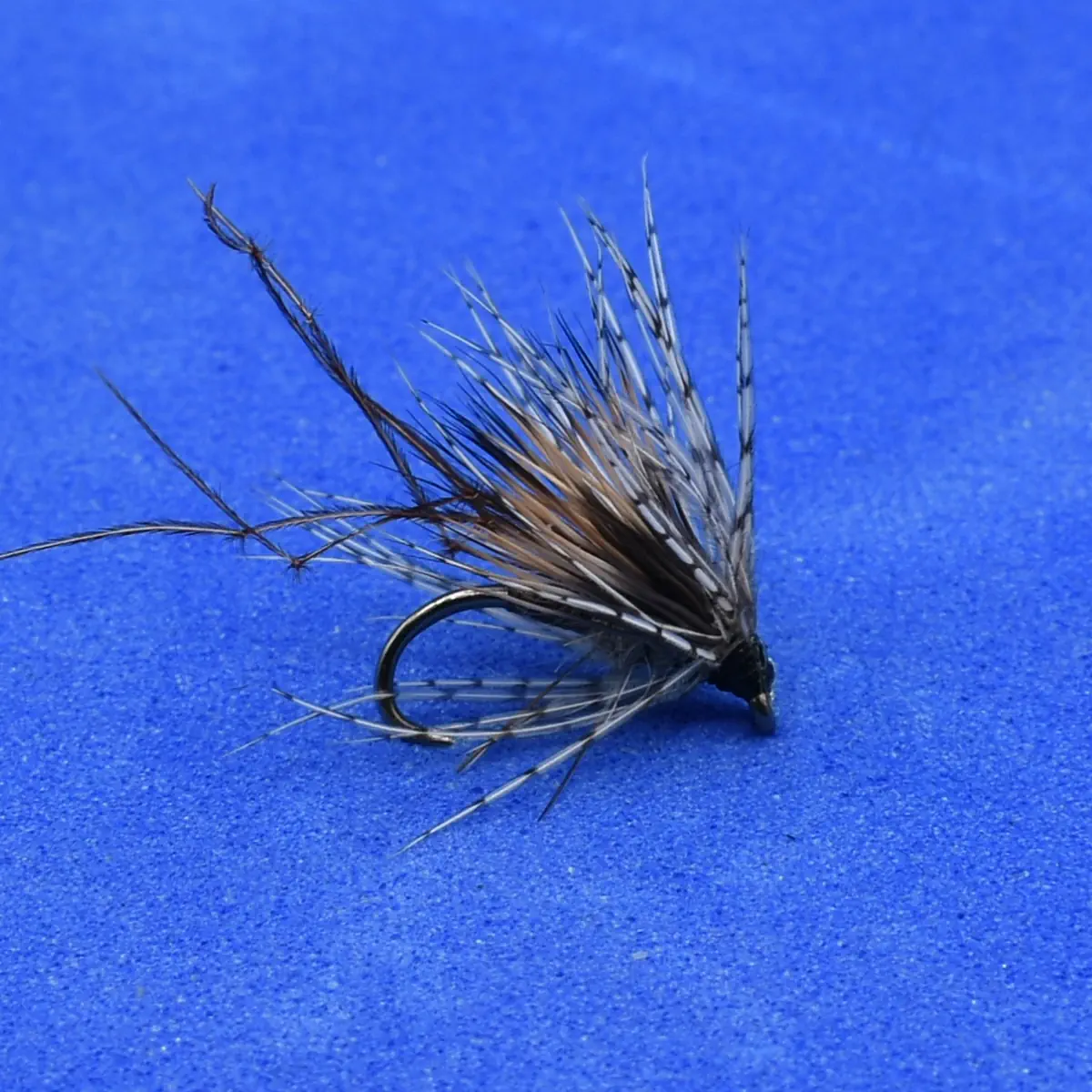
A versatile Hopper pattern for stillwater trout, this Hawf Hog Hopper is primarily fished on the surface as a dry fly. Tied on barbless size 14 hooks.
In stock
SPEND OVER £20 AND PAY IN 3 WITH PAYPAL
- Over 200 5 Star Reviews from Real Customers
- Maxcatch UK Stock & All Flies Sent via RM Tracked 24
- Post Purchase WhatsApp Support Available
The Hawf Hog Hopper is a timeless, high-performing UK stillwater pattern that bridges the gap between traditional dry flies and active surface emergers. Despite its terrestrial name, the Hopper serves as an exceptional general imitation of hatching midges and drowning terrestrial insects. Its signature sprawling profile and low-riding footprint in the surface tension make it an irresistible target for free-rising trout patrolling slicks and wave troughs, while also excelling when fished subsurface on a washing line setup as a wet fly.
Constructed around a slim, segmented abdomen, the fly features knotted pheasant tail legs that splay naturally outward to imprint lifelike footprints in the meniscus or kick enticingly when drawn under. A palmered body hackle creates an enticing trapped-bubble effect while supporting the pattern in the film or providing subtle water disturbance beneath it. Tied exclusively on forged, heavy-wire Titan 5x barbless hooks, it delivers unmatched strength to handle savage, explosive takes and hard-running trout without risk of opening out, while ensuring clean, damage-free catch-and-release fishing.
Key Features:
Barbless Hook: Built on forged, heavy-wire barbless hooks engineered to resist opening out under violent takes and fast runs while ensuring safe, fish-friendly releases.
Slim, Segmented Abdomen: Provides an authentic, slender profile that matches both aquatic pupae and blown terrestrial insects.
Knotted Pheasant Tail Legs: Splay outward across the water to generate realistic surface depressions, kicking with lifelike movement when retrieved sub-surface.
Washing Line Versatility: Excels fished static on the meniscus as a dry fly or drawn sub-surface on droppers as part of a washing line team.
How to Fish the Hawf Hog Hopper
Hoppers offer exceptional flexibility across floating, midge-tip, and intermediate lines, fishing effectively on top of the meniscus or submerged on a dropper team.
1. The Washing Line Setup (Fished as a Wet Fly)
Setup: Floating, midge-tip, or intermediate line paired with a 12 to 16 foot leader.
The Rig: Fished on a dropper between a buoyant point fly (such as a FAB) and other sparse nymphs or buzzers.
The Action: The washing line holds the Hopper horizontally just under the surface film or across the upper layers, allowing its hackles and knotted legs to kick and pulse with every movement.
Retrieve: Slow, rhythmic figure-of-eight crawl interspersed with short 3-to-4-second pauses, letting the fly hold in the feeding zone.
2. Static Dead Drift (Surface Wind Lanes & Slicks)
Setup: Floating line paired with a 12 to 16 foot fine, supple leader.
The Rig: Fished as a single dry fly, or on the middle/point of a dry fly team.
The Action: Degrease the leader right down to the fly to allow it to cut through the film. Cast into foam slicks, calm seams, or wind lanes where food gathers.
Retrieve: Completely static dead drift. Let surface currents and ripple animate the knotted legs, taking up line only to manage slack.
3. The Twitch & Drop Retrieve
Setup: Floating line paired with a 10 to 14 foot leader.
The Rig: Fished as a single surface dry fly or top dropper.
The Action: Cast across the ripple towards cruising or rising fish. Let the pattern settle for 5 to 10 seconds.
Retrieve: Impart a sharp 2-to-3-inch pull to pop the fly through the film and make the legs kick, followed by an immediate dead pause. Strikes frequently occur the moment the fly settles back into stillness.
4. Practical Tips for Success
Degrease the Leader: When targeting surface-sipping fish, ensure the tippet is thoroughly degreased so it cuts beneath the meniscus rather than casting surface shadows.
Wait for the Turn: Takes to Hoppers are often aggressive boils or firm draws. Resist striking too early—wait for the line to pull tight before lifting into the fish.
Rotate Core Colours: Keep classic colours on hand—claret, black, amber, and olive—to match heather flies, hawthorns, and hatching midges throughout the season.
Related products
-

Demon Grunter
£1.30Select options This product has multiple variants. The options may be chosen on the product page -
-
Arthurs Split Head Muddler
£1.30Select options This product has multiple variants. The options may be chosen on the product page -
Red Holo Quilled Emerger
£1.30Select options This product has multiple variants. The options may be chosen on the product page