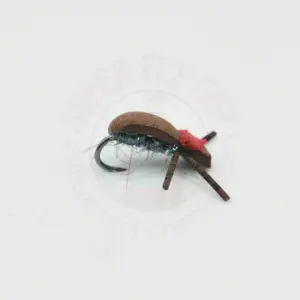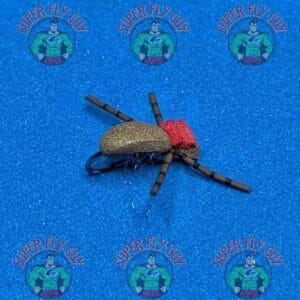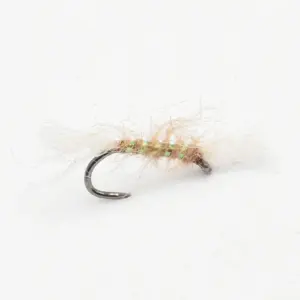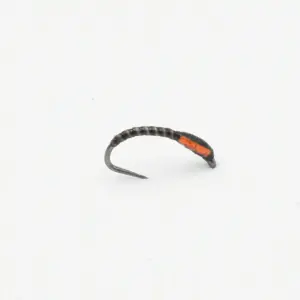
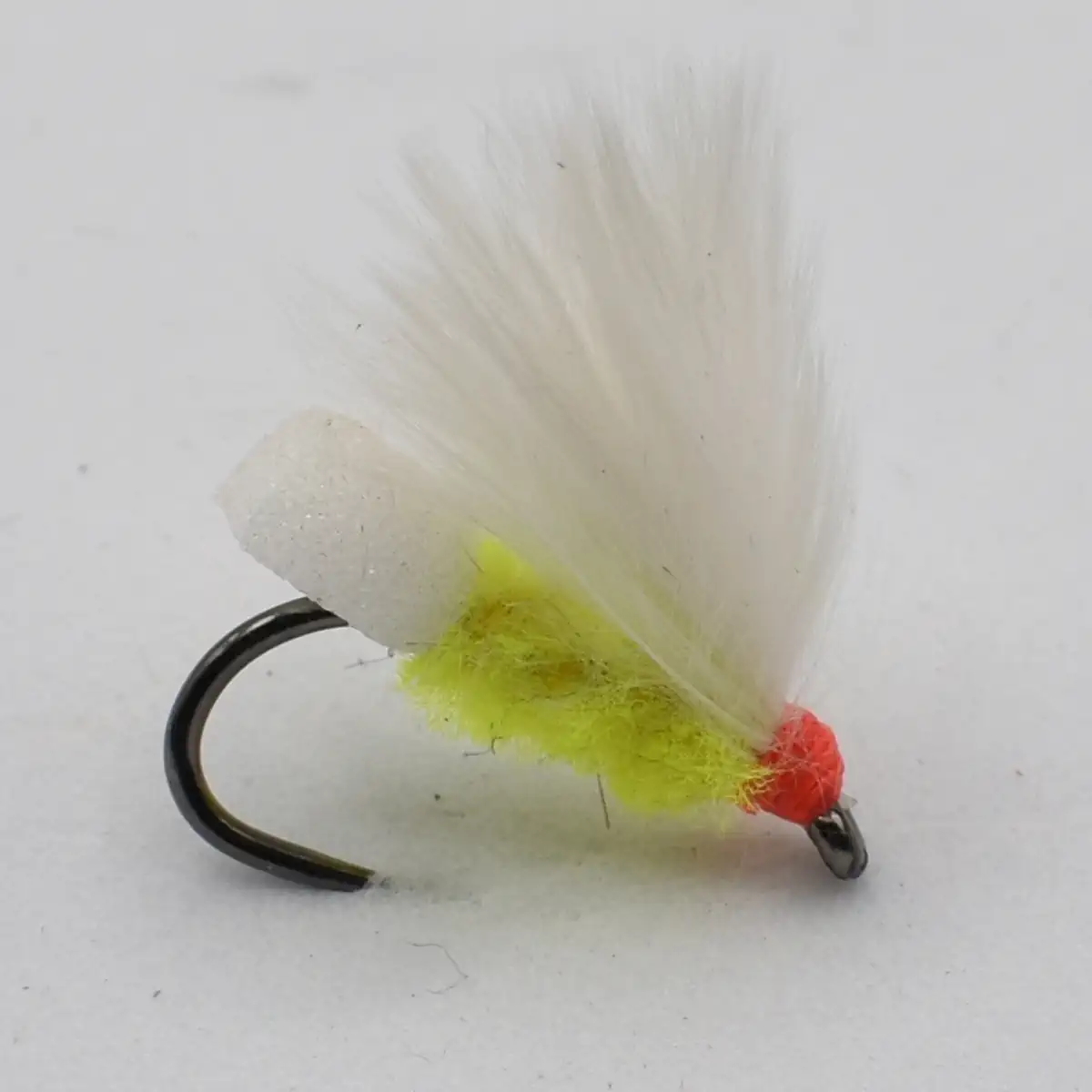
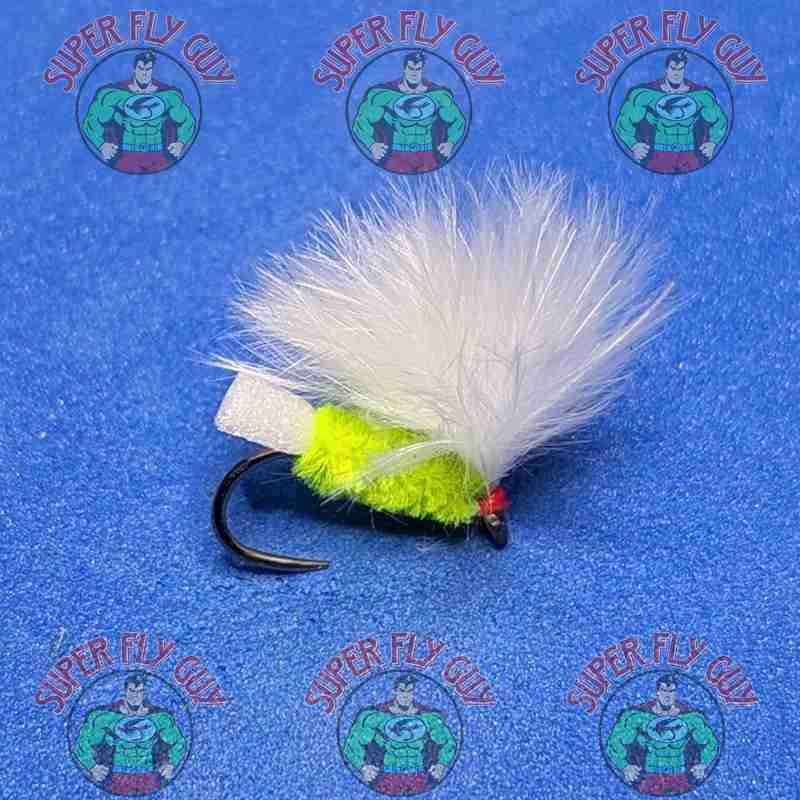
Foam Arsed Cats Whisker
£0.79
A straightforward stillwater lure for pulling or retrieving on its own, the Foam Arsed Cats Whisker is a simple, reliable option when you want to cover water and fish it with confidence.
In stock
| Buy More, Save More! | QTY | Price Each |
|---|---|---|
| Buy ANY 1 to 39 Flies | 1 - 39 | £0.79 |
| Buy ANY 40 to 79 Flies | 40 - 79 | £0.74 |
| Buy ANY 80 to 119 Flies | 80 - 119 | £0.69 |
| Buy 120 or More Flies | 120 + | £0.65 |
SPEND OVER £20 AND PAY IN 3 WITH PAYPAL
- Over 200 5 Star Reviews from Real Customers
- Maxcatch UK Stock & All Flies Sent via RM Tracked 24
- Post Purchase WhatsApp Support Available
The Foam Arsed Cats Whisker is a stillwater lure designed for straightforward, active fishing. Its place is simple: a pattern you can fish on its own and work through the water with a pull or retrieve. That makes it a handy choice when trout are responding to movement and you want a fly that lets you stay in control of the pace and rhythm of your presentation.
Because it is intended as a lure, its real value is in how directly it can be fished. You are not trying to overcomplicate the approach; instead, you present it with confidence and use movement to search water efficiently. That makes it particularly useful when you want to test different depths and retrieves until you find what the fish want on the day.
For anglers building a stillwater box, it offers a practical, versatile option for active fishing situations. It is the kind of pattern you can return to when you want a no-nonsense lure that suits deliberate, mobile fishing and helps you cover water with purpose.
How to Fish the Foam Arsed Cats Whisker
Fish the Foam Arsed Cats Whisker on its own and work it with a pull or retrieve. That is where this pattern is at its best: an active presentation that allows you to search water and keep the fly moving. If trout are chasing or showing interest in moving patterns, start with a steady retrieve and then vary the pace until you find the rhythm that draws takes.
It is also worth changing the length and style of the retrieve rather than making the same cast repeatedly. Shorter pulls can help you keep the fly in the feeding zone, while longer, smoother retrieves can cover more water and show the lure to more fish. If you are moving between areas of a lake or reservoir, use the fly as a searching pattern and let the action of the retrieve do the work.
Keep your approach simple and deliberate. The key with this pattern is to fish it confidently, pay attention to how trout react, and adjust the retrieve until you establish what they want on the day.
Related products
-

Beetle Hi-Vis Brown Legs
£0.79Select options This product has multiple variants. The options may be chosen on the product page -
-
-