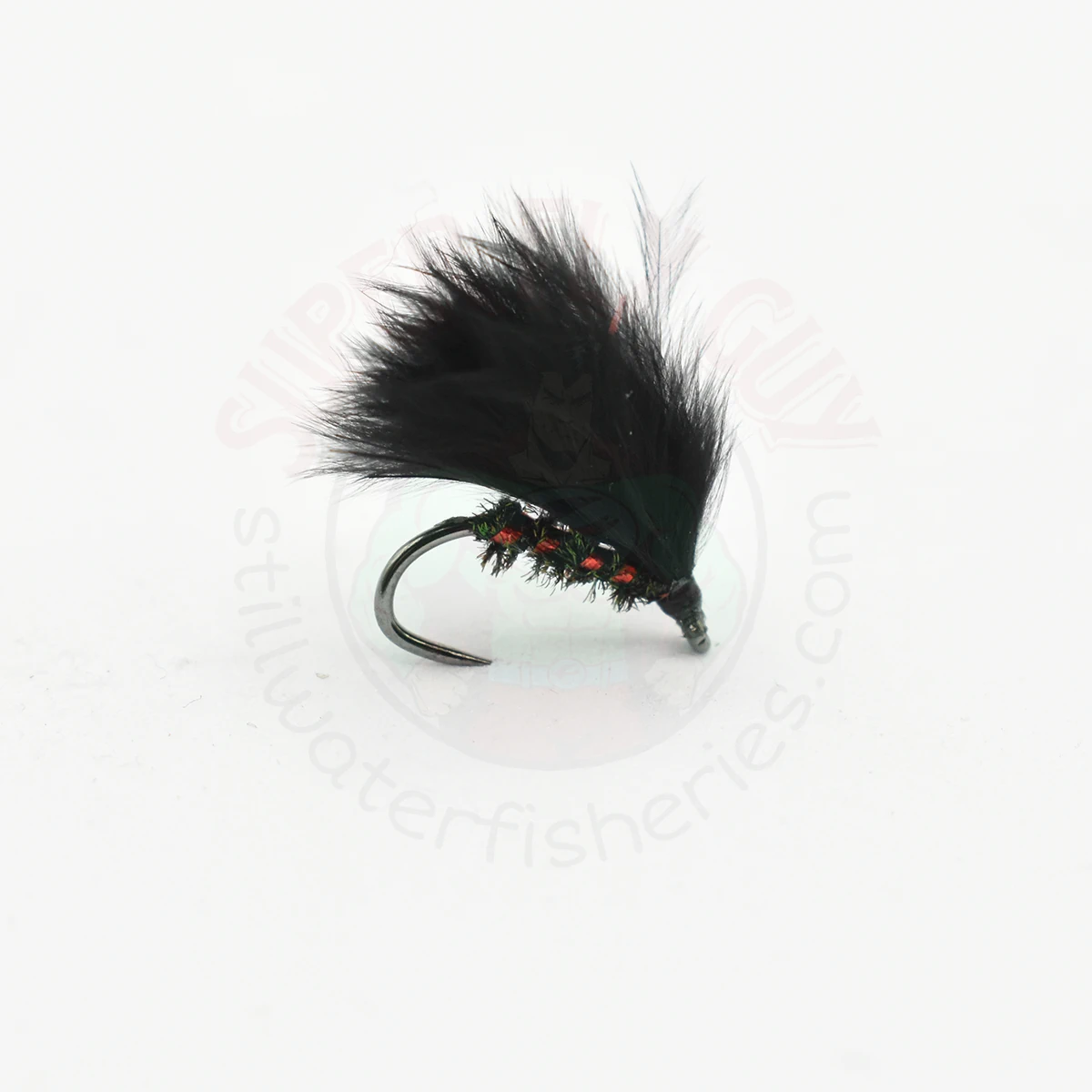
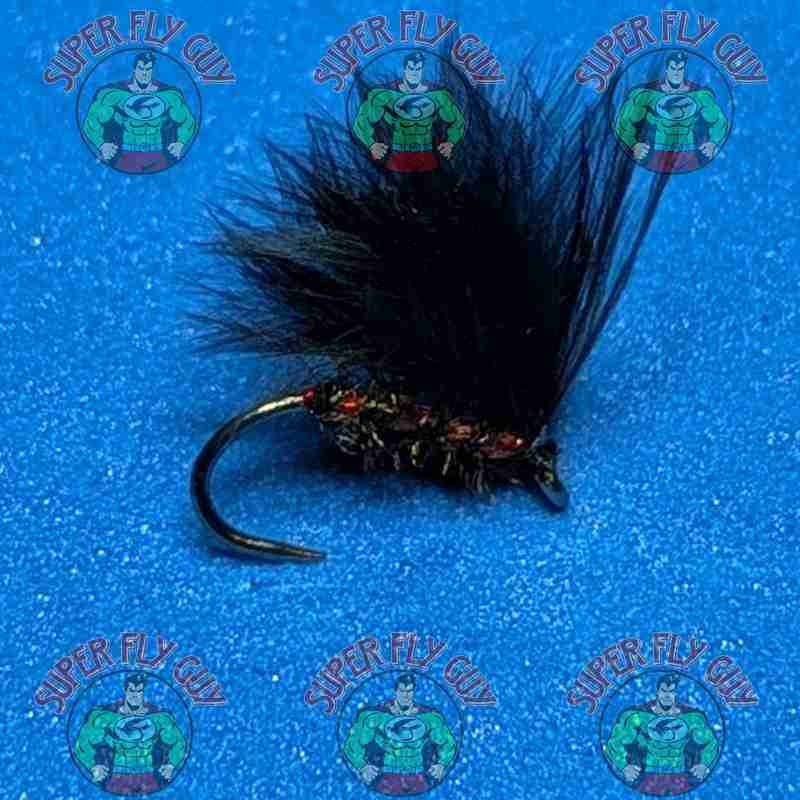
Red Holo Cormorant
£0.79
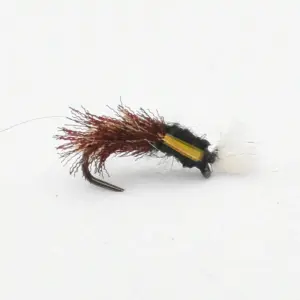
A slim, flashy Cormorant-style lure with red holographic flash to trigger takes when trout are feeding hard or need a bit more attention. Fished best on a fast-sinking or intermediate line with steady pulls and pauses, or worked over deeper water when fish are following but not committing. Size 12 barbless.
Only 2 left in stock
| Buy More, Save More! | QTY | Price Each |
|---|---|---|
| Buy ANY 1 to 39 Flies | 1 - 39 | £0.79 |
| Buy ANY 40 to 79 Flies | 40 - 79 | £0.74 |
| Buy ANY 80 to 119 Flies | 80 - 119 | £0.69 |
| Buy 120 or More Flies | 120 + | £0.65 |
SPEND OVER £20 AND PAY IN 3 WITH PAYPAL
- Over 200 5 Star Reviews from Real Customers
- Maxcatch UK Stock & All Flies Sent via RM Tracked 24
- Post Purchase WhatsApp Support Available
The Cormorant is a staple stillwater mini-lure and nymph crossover pattern across the UK, renowned for its versatility and lethal effectiveness in competition and pleasure angling alike. Originally designed as a small lure, its sparse, streamlined profile offers minimal water resistance, allowing it to cut through the surface layers quickly and deliver a lifelike, pulsing movement that provokes instinctive takes from resident and freshly stocked trout.
Constructed around a slim, compact body, the defining feature of the fly is a sparse wing of premium marabou tied along the hook shank. This soft marabou wing compresses on the retrieve and flares open the moment the retrieve pauses, perfectly mimicking the dart-and-stop motion of an injured fry or swimming nymph. Tied exclusively on forged, heavy-wire Titan 5x barbless hooks, it provides superior holding power on aggressive takes and fast runs while ensuring clean, damage-free catch-and-release fishing.
Key Features:
Titan 5x Barbless Hook: Built on forged, heavy-wire Titan 5x barbless hooks engineered to resist opening out under savage takes while ensuring safe, fish-friendly releases.
Sparse Marabou Wing: Pulsating marabou fibres breathe and flare dramatically during pauses, creating lifelike aquatic movement without unwanted bulk.
Streamlined Hydrodynamic Profile: Slim, low-drag body geometry cuts through the surface film efficiently, allowing precise depth control across all retrieve speeds.
Multi-Species & Prey Imitation: Effectively represents pin fry, corixa, damselfly nymphs, or emerging chironomid midges depending on size and colour.
How to Fish the Red Holo Cormorant
Cormorants can be fished across all depths, excelling as top droppers on pulling teams, middle droppers on washing-line setups, or single flies stripped through feeding zones.
1. Pulling / Stripping (Reaction Takes)
Setup: Intermediate lines down to fast-sinking lines (Di3 through Di7), paired with an 8 to 12 foot leader.
The Rig: Fished as a single point fly, or across a two- or three-fly team spaced 4 to 5 feet apart.
The Action: Cast across or down-breeze, count the line down to the targeted holding depth, and initiate the retrieve to pulse the marabou wing.
Retrieve: Short, sharp, rhythmic pulls, long smooth draws, or a rapid roly-poly retrieve. Varying retrieve speed often triggers following fish into an immediate strike.
2. The Washing Line Method (All Line Types)
Setup: Highly effective across all line types (floating, midge-tip, intermediate, and full sinking lines Di3 through Di7) paired with a 12 to 16 foot leader.
The Rig: Position the Cormorant on a dropper spaced 4 to 5 feet apart, paired with a buoyant point fly (such as a FAB or Booby) to anchor the cast.
The Action: The buoyant point fly suspends the cast, holding the Cormorant at a fixed horizontal swimming depth. As the team drifts or crawls, the Cormorant pulses in the upper or mid-water layers where trout cruise.
Retrieve: Slow figure-of-eight crawl punctuated by extended pauses, interspersed with occasional short, sharp pulls to make the marabou flare.
3. Straight-Line Figure-of-Eight Crawl
Setup: Floating or midge-tip line paired with a 12 to 16 foot leader.
The Rig: Fished as part of a three-fly nymph team on the droppers.
The Action: Cast across the wind, allow the team to sink into the top two to four feet of the water column, and maintain direct contact.
Retrieve: Steady, deliberate figure-of-eight crawl punctuated by sudden 2 to 3 second pauses to allow the marabou wing to flare.
4. Practical Tips for Success
Never Skip the Hang: Trout frequently follow a Cormorant across open water; always pause the fly 2 to 4 feet beneath the surface for 5 to 10 seconds before lifting to recast.
Keep the Wing Sparse: Over-dressing the marabou wing ruins the action; a sparse wing creates the best pulsing movement and lets the fly sink cleanly.
Watch for Slack-Line Takes: Takes often occur on the pause as the marabou flares; keep the rod tip low and straight down the line to detect sudden line tightening.
Related products
-
Sale!

18 Size 14 Foam Beetles for £10
Original price was: £14.22.£10.00Current price is: £10.00. -
-
-