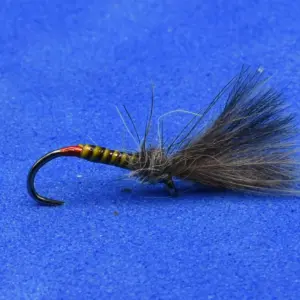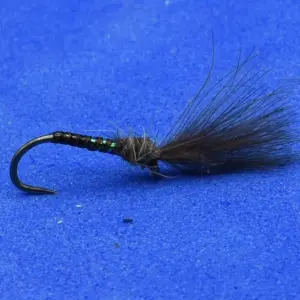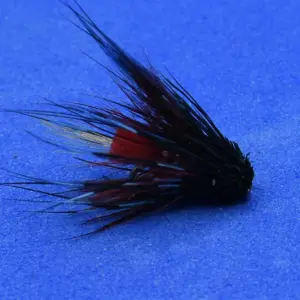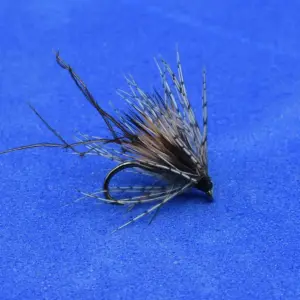
Burnt Hog
£1.30
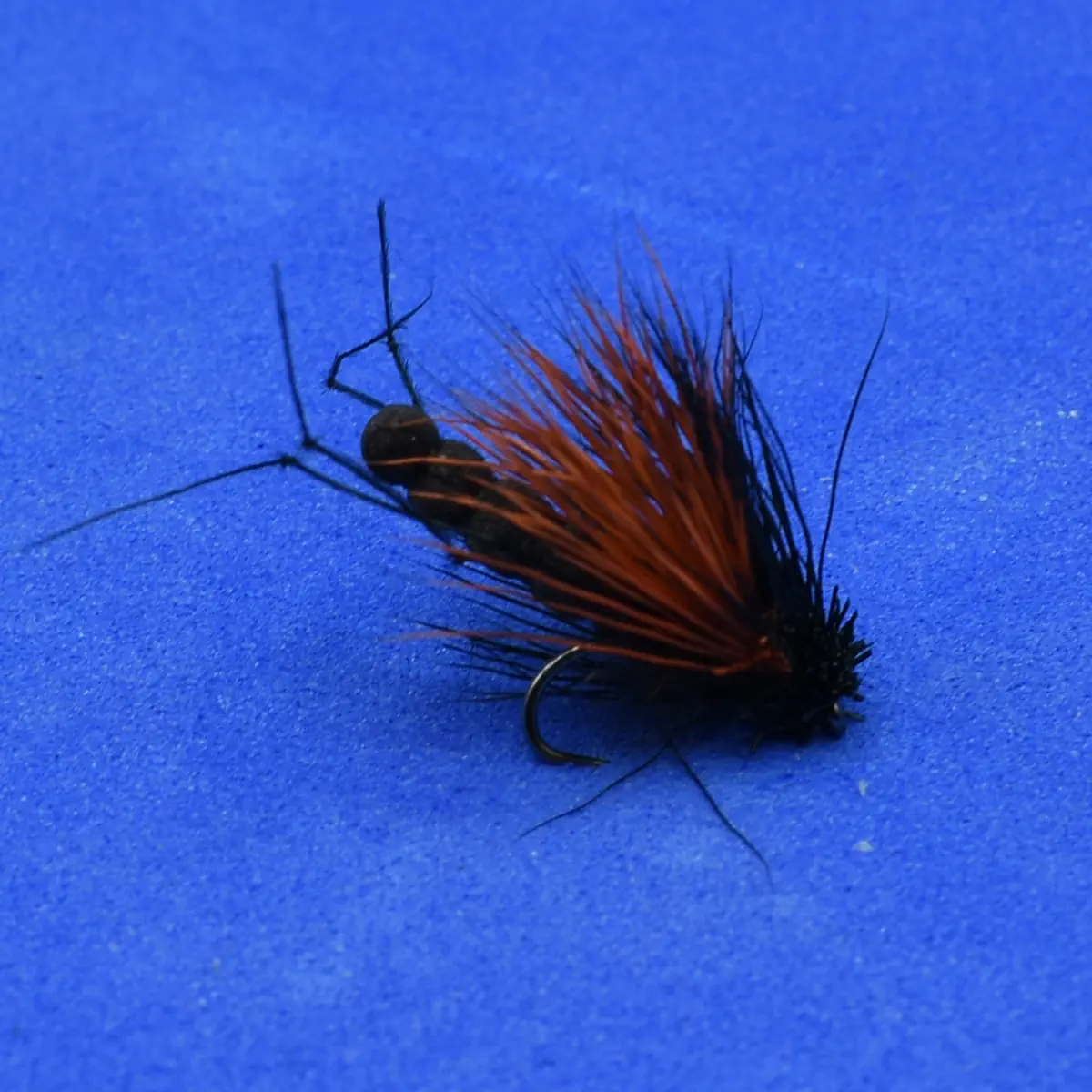
The Burnt Hog is a modern Hogs pattern for fishing as a dry on stillwaters and wild waters. A useful choice when trout are taking confidently, it brings that classic surface silhouette with a fresh edge for technical sport. Tied on a Size 14 Barbless Hook.
In stock
SPEND OVER £20 AND PAY IN 3 WITH PAYPAL
- Over 200 5 Star Reviews from Real Customers
- Maxcatch UK Stock & All Flies Sent via RM Tracked 24
- Post Purchase WhatsApp Support Available
The Burnt Hog is a contemporary take on the Hogs style, built for anglers who want a dry fly that can get noticed without losing the familiar shape trout already recognise. It sits neatly in the Dries & Emergers section and is the sort of pattern that earns its place when fish are looking up but not always giving you easy chances.
Hogs patterns have long had a reputation for bringing confidence to surface fishing, and the Burnt Hog carries that same appeal with a slightly different feel. That makes it a handy option for brighter periods, selective feeders, or any session where you want a dry that can be worked with intent rather than simply parked and hoped over. It is the kind of fly that belongs in a box when you expect variety in the trout’s mood and need something with a proven surface presence.
If you fish stillwaters regularly, the Burnt Hog gives you a practical dry-fly option that can cover a lot of situations without overcomplicating your approach. It is equally at home when prospecting likely lanes, working open water for cruising fish, or switching to after seeing regular surface activity.
How to Fish the Burnt Hog
Fish the Burnt Hog as a dry fly and treat it as a searching pattern as much as a target pattern. It is especially useful when trout are showing near the surface, when you are seeing the odd rise rather than a sustained hatch, or when you want to cover water and find out how fish are behaving.
Present it cleanly and give it time to settle. On stillwaters, accurate placement matters more than busy movement, so aim for likely patrol routes, edges of activity, and any fish you can see cruising or tipping up. If takes are hesitant, shorten the pauses between casts and work different lies rather than overworking the fly itself.
This is a useful pattern for anglers who like to build a method around observation. Watch for changes in rise style, move the fly to fresh water quickly if nothing responds, and keep your presentation crisp. A dry like this can be a very effective way of exploring the water when trout are feeding with some confidence.
Related products
-

Red Holo Quilled Emerger
£1.30Select options This product has multiple variants. The options may be chosen on the product page -
Quilled Smut
£1.30Select options This product has multiple variants. The options may be chosen on the product page -
-