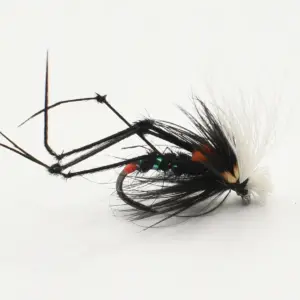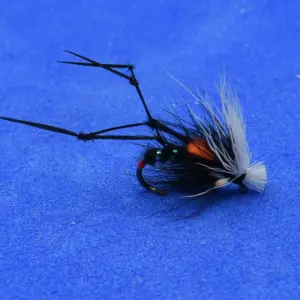
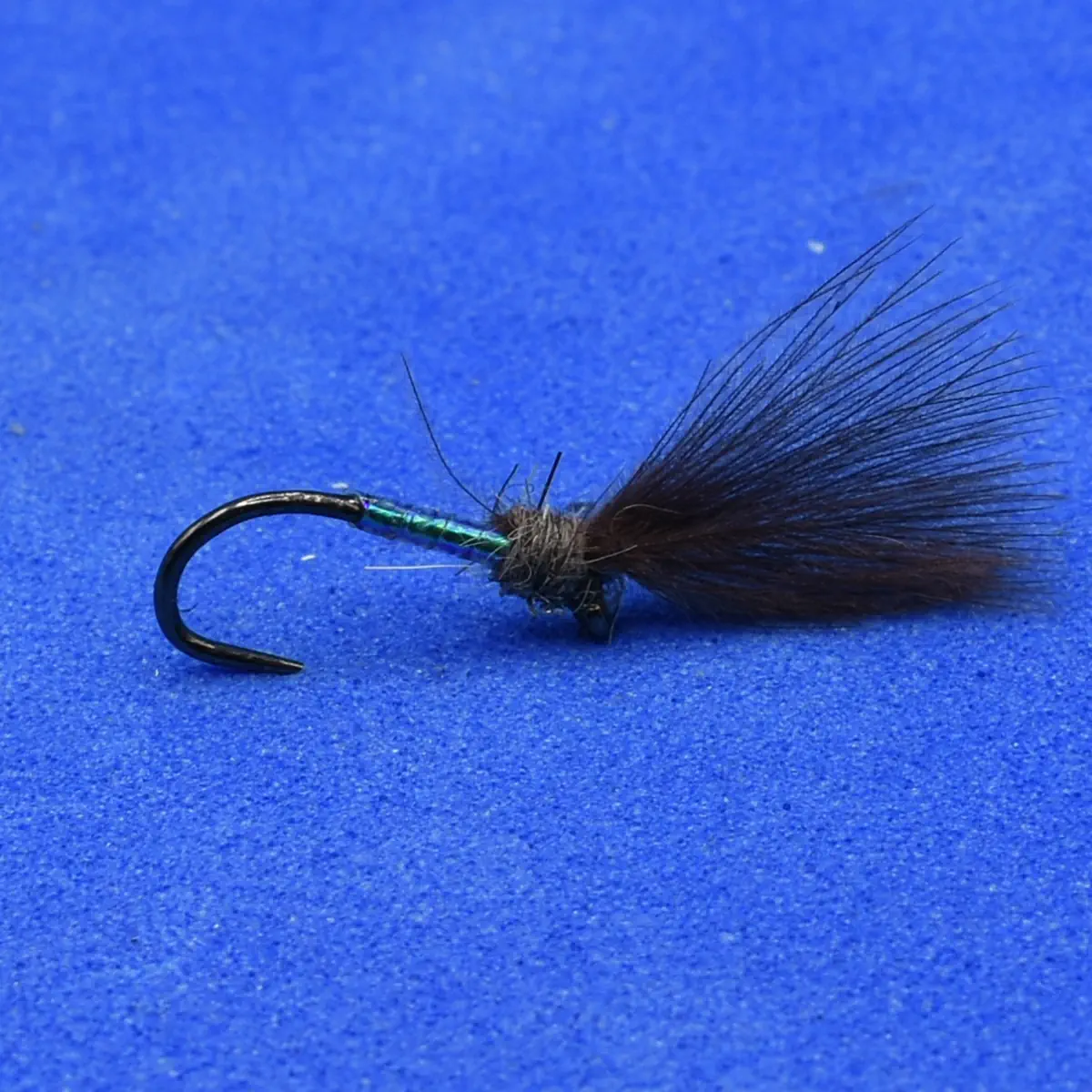
Hares Ear Smut
£1.30
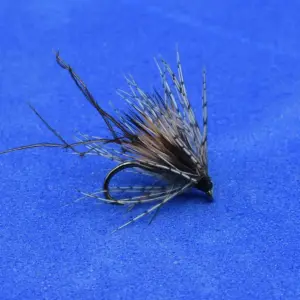
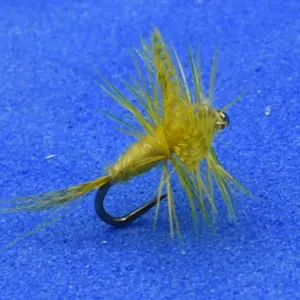
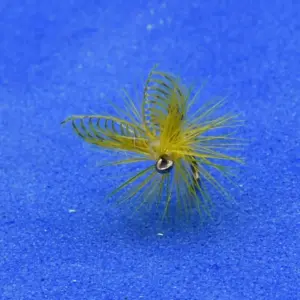
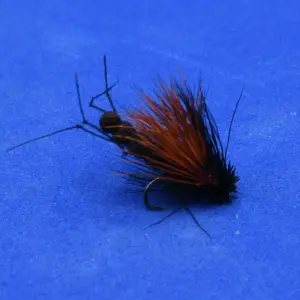
A modern Hare’s Ear Smut nymph for stillwater trout, effective fished on its own or in a team. Particularly strong on the washing line, it brings natural hare’s ear appeal to UK reservoirs and lochs in sizes 12, 14 and 16.
SPEND OVER £20 AND PAY IN 3 WITH PAYPAL
- Over 200 5 Star Reviews from Real Customers
- Maxcatch UK Stock & All Flies Sent via RM Tracked 24
- Post Purchase WhatsApp Support Available
The Hare’s Ear Smut is a straightforward, confidence-building nymph pattern for stillwater trout. Built around the classic Hare’s Ear profile, it gives you the sort of natural, buggy impression that can tempt fish when they are feeding just below the surface or working through the upper layers. It’s the kind of fly that earns its place in a box because it can do a job in a wide range of conditions rather than needing perfect circumstances.
Its strength lies in versatility. Fish it on its own when trout are showing just enough interest in small subsurface food, or use it as part of a team where a subtle nymph is needed to balance out a more buoyant point fly. The Hare’s Ear Smut is especially effective on the washing line, where it can be presented in the upper layers and given time to work naturally through the take zone.
Available in sizes 12, 14 and 16, it gives the angler a useful spread of options for matching activity levels and water conditions. If you want a dependable nymph that brings proven hare’s ear attraction to modern stillwater tactics, this is a very practical pattern to carry.
How to Fish the Hares Ear Smut
CDC Emergers are precision patterns designed for delicate presentations, targeted sight-casting, and dead-drift surface tactics.
1. Static Dead Drift (Surface Meniscus)
Setup: Floating line paired with a long, fine leader (12 to 16 feet).
The Rig: Fished as a single dry fly, or on the point/dropper of a two-fly dry fly team spaced 4 to 5 feet apart.
The Action: Degrease the leader to ensure it sinks below the surface film without dragging the fly down. Cast across or down the breeze into foam lines, wind lanes, or slicks where hatching insects accumulate.
Retrieve: Completely static dead drift. Allow the natural ripple and surface drift to move the pattern naturally; retrieve line only to keep contact and manage slack.
2. Targeting Active Cruisers (Sight Fishing)
Setup: Floating line paired with a 12 to 14 foot supple leader.
The Rig: Fished as a single pattern.
The Action: Observe the rising fish to identify its cruising lane and feeding rhythm. Anticipate its path and land the fly 2 to 3 feet ahead of the last rise form, allowing it to sit motionless in the feeding line.
Retrieve: Dead static. If a cruising fish passes without committing, impart a microscopic twitch just as it enters the zone to pulse the CDC fibers, then pause.
3. Practical Tips for Success
Never Grease the CDC: Do not apply standard paste or gel floatants to the CDC plumes, as this can mat the delicate fibers and ruin buoyancy; use a dry dusting powder or amadou patch to dry the fly after a take.
Degrease Your Leader: Shiny or floating leader material sitting on the meniscus creates visible indentations that spook selective trout. Treat the tippet with fullers earth or mud so it sinks just beneath the surface.
Deliberate Hookset: Takes to emergers are often confident head-and-shoulders sips rather than violent splashy rises. Wait a beat until the trout turns down with the fly before smoothly tightening into the fish.
| Size | 12, 14, 16 |
|---|